
The Honey Locust Tree
Can You Find Goodness in Everyone, Even When They Behave Badly?
The Honey Locust Tree is a deeply personal memoir about faith tested in unlikely places. Moving between prison walls, school classrooms, and the quiet refuge of home with his wife, Betsey, Jim reflects on trust, justice, and the fragile yet resilient spark within us all.
Can the inner light be nurtured? Can it be extinguished? And what happens when we discover that our search for goodness in others is, in fact, a search within ourselves?
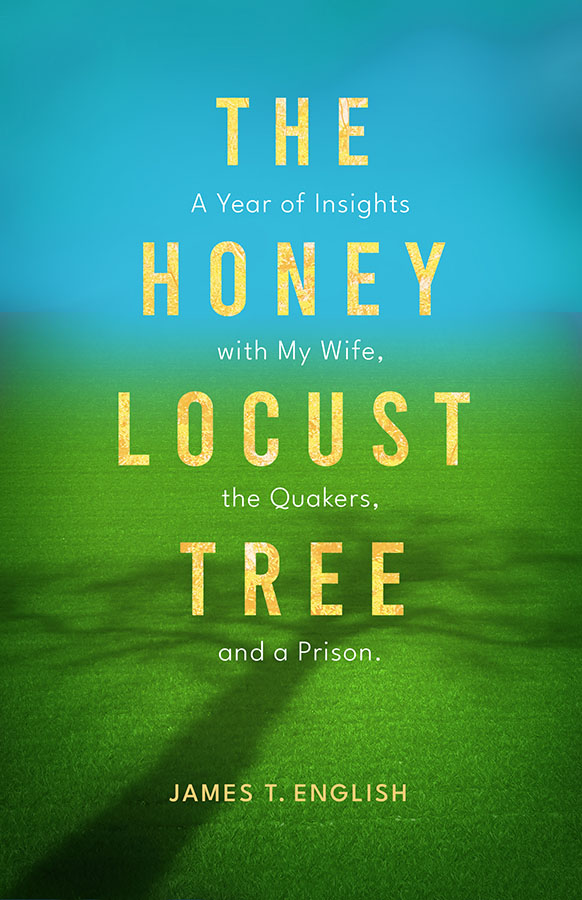
Now Available









The Story Behind the Book
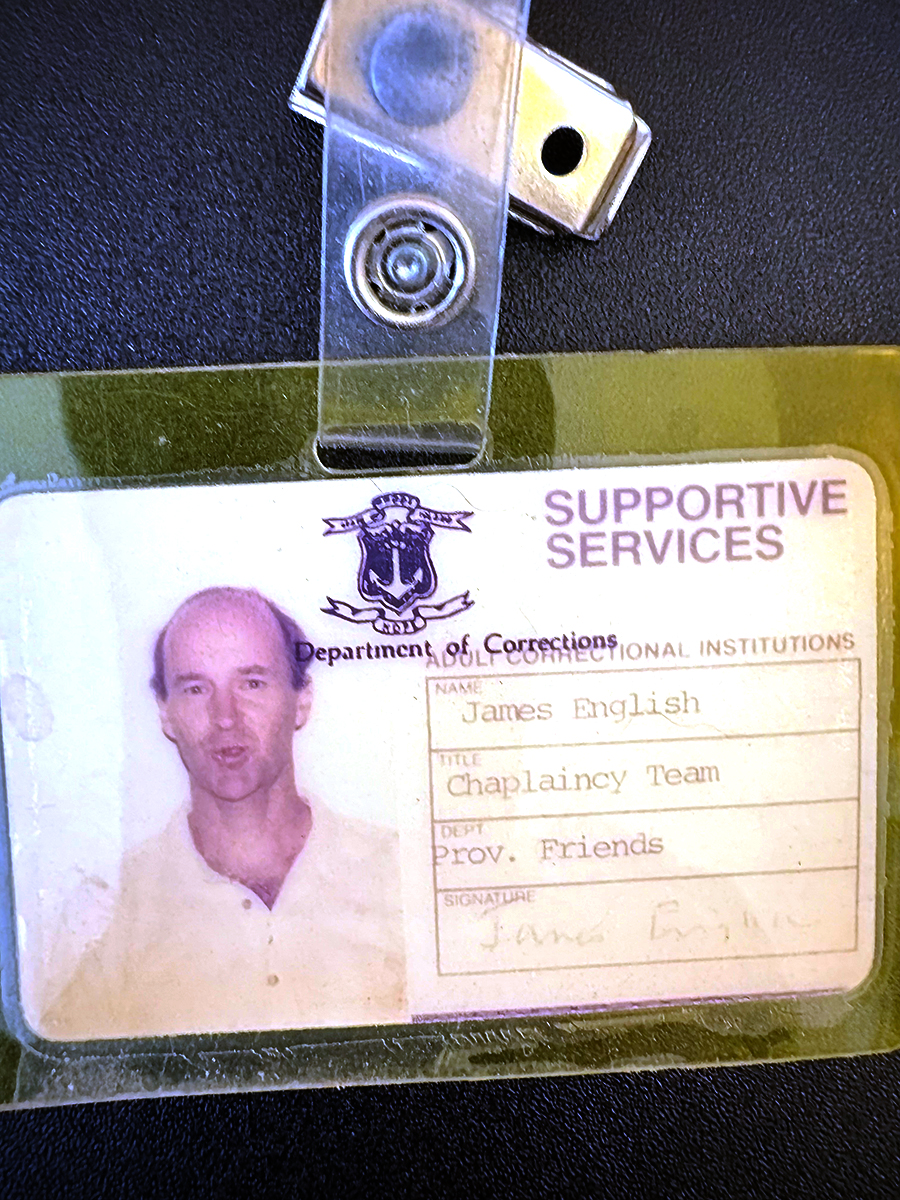
The Honey Locust Tree, a 52,000-word memoir, takes the reader on a journey to the men’s minimum, medium, and maximum security units at the Adult Correctional Institutions, Rhode Island’s state prison. They join me as I attend Quaker meetings with inmates in chapels and reconfigured classrooms. Prisons are noisy places and sitting in silence with inmates was extraordinary. The title is inspired by the words of an inmate: “I wish I could touch a tree.”
The memoir isn’t only about prison. Other things happened during my three years at the A.C.I. that made me think hard about the inner light. A student at the school where I worked, a Quaker school, brought a bullet to class and I had to punish him. A pedophile trapped our eight-year-old daughter on the telephone and terrified her. An inmate in medium security who most embodied the inner light committed suicide upon his release. I found myself wondering again and again: How do people nurture the inner light? Can it be dimmed or even snuffed out? How strong is the inner light in me?
The Honey Locust Tree offers readers a rarely seen view of a prison, a glimpse of a middle school, and some unexpected insights about my family. The three work together in surprising ways.
From the Blog

LouAnn Hanian
One of the editors who helped me with The Honey Locust Tree wrote this about an early draft of the manuscript: “The strongest approach to revision would be to make this about your quest to find light in everyone, with the school as the propelling factor for...
The Three Silences
I tried many times to describe silence in The Honey Locust Tree, but I always failed. So little happened in a Quaker meeting. Worshippers entered the meeting space, sat in a pew, closed their eyes, and only spoke if they felt moved. In an effort to remedy this...

How Many Characters Can a Memoir Handle?
Halfway through writing “The Honey Locust Tree,” I realized that the list of people who had a role in the memoir was getting long. How many characters was too many? Where did I draw the line? The number became so lengthy that I created a document where I listed the...
